
Architecture & Infrastructure
Architecture & Infrastructure
Building a Capital from Scratch
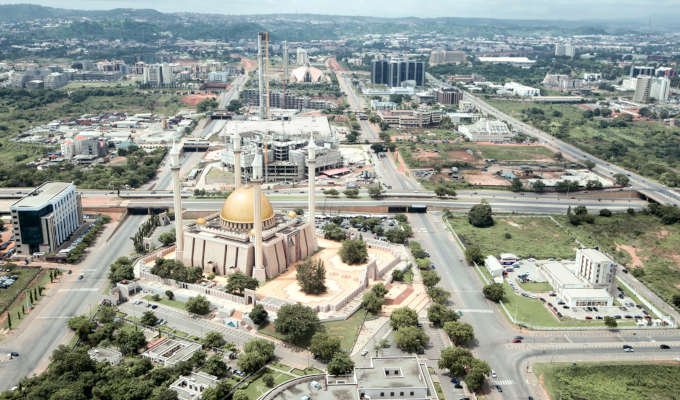
Abuja stands as one of the 20th century’s most ambitious urban planning projects. Unlike cities that evolved organically over centuries, Abuja was conceived, designed, and built with deliberate purpose. Every road, bridge, building, and utility system reflects intentional planning aimed at creating a modern capital worthy of Africa’s most populous nation.
Understanding Abuja’s architecture and infrastructure means understanding the vision of city planners who dared to imagine a capital built on empty savannah, and the engineers and builders who made that vision concrete reality.
The Master Plan Vision
When Japanese architect Kenzo Tange and his team created Abuja’s master plan in 1979, they weren’t just designing buildings. They were engineering an entire city system capable of supporting millions of people while maintaining order, efficiency, and beauty.
Core Planning Principles
Zoning Clarity: The master plan divided Abuja into distinct zones with specific purposes. Government areas separated from residential districts. Commercial zones designated apart from green spaces. This prevents the chaotic mixing that plagued Lagos.
Phased Development: The city was designed to grow in stages, not all at once. Phase 1 focused on the Central Area and immediate government needs. Subsequent phases expanded outward in organized patterns.
Grid and Radial Design: Major roads follow both grid patterns for efficiency and radial designs emanating from central points. This combination allows multiple route options and reduces congestion.
Green Integration: Parks, gardens, and preserved natural areas were built into the plan from the start, not added as afterthoughts. Green spaces provide environmental benefits and quality of life improvements.
Road Network: Arteries of the Capital
Abuja’s road system represents a dramatic departure from the narrow, congested streets typical of older Nigerian cities. Wide boulevards, carefully planned intersections, and hierarchical road design create one of Africa’s most navigable cities.
Major Road Classifications
Expressways: High-speed roads connecting Abuja to other cities. The Abuja-Kaduna, Abuja-Keffi, and Airport Road expressways handle inter-city traffic with multiple lanes and limited access points.
Arterial Roads: Major roads within the city connecting different districts. Examples include Ahmadu Bello Way, Constitution Avenue, and Independence Avenue. These roads typically have 4-6 lanes with landscaped medians.
Collector Roads: Medium-capacity roads feeding into arterials. These serve individual neighborhoods and districts, balancing accessibility with traffic flow.
Iconic Roads and Boulevards
Ahmadu Bello Way: One of Abuja’s most prominent roads, running through the Central Business District. Wide, well-maintained, and lined with commercial buildings, it exemplifies the city’s modern infrastructure.
Constitution Avenue: Connects the Three Arms Zone to other parts of the city. As its name suggests, this road carries symbolic importance alongside its practical function.
Airport Road: The gateway to Abuja for most visitors, this road creates the first impression of the capital. Well-maintained and scenic, it’s designed to impress.
Government Architecture: Power Made Physical
Abuja’s government buildings were designed to project authority, transparency, and national identity. Each major structure makes an architectural statement about Nigeria’s democracy and governance.
National Assembly Complex
The National Assembly Complex houses both chambers of Nigeria’s legislature in a striking modernist design.
Design Elements: The building features a distinctive green dome visible across the city, representing the verdant Nigerian landscape. Clean lines and open spaces suggest transparency and democratic openness.
Functional Layout: Separate chambers for the Senate and House of Representatives, committee rooms, offices for legislators and staff, and public galleries where citizens can observe democracy in action.
Symbolic Features: Nigerian motifs and art are integrated throughout. The architecture deliberately avoids imitating Western parliamentary buildings, instead creating a distinctly Nigerian aesthetic.
Scale: The complex is massive, reflecting the importance of the legislative branch. Its prominence in the Three Arms Zone establishes visual equality with the executive and judicial branches.
Supreme Court Building
The Supreme Court of Nigeria building embodies judicial authority through its architectural design.
Classical Elements: The building incorporates columns, symmetry, and formal design elements that echo judicial architecture worldwide, creating immediate recognition of its purpose.
Modern Interpretation: While using classical themes, the building avoids direct copying of European or American court designs. It’s recognizably a court while being distinctly Nigerian.
Materials and Finish: High-quality materials and meticulous construction reflect the permanence and authority of the judiciary. The building is built to last centuries.
Ministry Buildings
Federal ministries occupy purpose-built structures throughout the city, each designed for government efficiency:
- Standardized designs create visual consistency while allowing functional variation
- Modern office layouts accommodate technology and contemporary work patterns
- Security features are integrated without creating fortress-like appearances
- Public-facing areas are accessible while sensitive areas remain secure
Residential Architecture: Neighborhoods by Design
Abuja’s residential areas follow clear architectural guidelines that create cohesive neighborhoods while allowing variation.
Elite Districts Architecture
Maitama and Asokoro showcase luxury residential architecture:
Villa Designs: Large detached homes on spacious plots. Architectural styles vary from contemporary minimalist to neo-classical, but all maintain high standards of design and construction.
Landscaping Requirements: Mandatory green spaces, setbacks, and height restrictions preserve the garden-city character of these neighborhoods.
Infrastructure Standards: Underground utilities, paved roads, street lighting, and security features are uniform. No visible power lines or exposed infrastructure mar the aesthetic.
Embassy Architecture: Many embassies in these areas showcase their national architectural styles while respecting local building codes, creating an international architectural showcase.
Middle-Class Housing
Gwarinpa, Africa’s largest single housing estate, demonstrates planned middle-class housing at scale:
Estate Layout: Organized into phases with consistent architectural themes. Mix of detached homes, semi-detached units, and low-rise apartments creates housing variety at different price points.
Amenities Integration: Schools, shopping areas, clinics, and recreational facilities were built into the estate plan, creating self-contained neighborhoods.
Infrastructure: Paved roads, drainage systems, electricity, and water supply were installed before residents moved in, avoiding the add-on infrastructure typical of organic urban growth.
Commercial Architecture: Business Districts
Abuja’s commercial areas blend functionality with modern design, creating business environments that attract investment.
Central Business District
The CBD features high-rise office buildings, banking centers, and commercial complexes:
High-Rise Development: Modern office towers house banks, corporations, and professional services. Glass and steel construction creates a contemporary skyline.
Mixed-Use Buildings: Ground floors typically contain retail, restaurants, or services, with offices above. This creates street-level activity and convenience.
Banking Architecture: Major Nigerian and international banks have built impressive headquarters in Abuja. These buildings project financial stability through solid, modern design.
Technology Integration: Modern commercial buildings feature smart building systems, high-speed internet infrastructure, and contemporary amenities expected by international businesses.
Shopping and Retail Architecture
Jabi Lake Mall represents innovative retail architecture:
Floating Design: Nigeria’s first mall built on water, the structure creates a unique retail environment while preserving Jabi Lake.
Entertainment Integration: Cinemas, restaurants, and recreational facilities are built into the design, making it a destination beyond shopping.
Modern Retail Standards: Climate control, escalators, ample parking, and international-standard facilities attract both shoppers and retailers.
Infrastructure Systems: The Invisible City
Beneath Abuja’s visible architecture lies the infrastructure that makes modern urban life possible.
Water Supply System
Major Reservoirs: The Lower Usuma Dam and Gurara Water Transfer System supply Abuja with treated water. These systems were built to handle population growth beyond initial projections.
Distribution Network: Underground pipes distribute water throughout the city. While coverage isn’t universal, the system is more extensive than in most Nigerian cities.
Treatment Facilities: Modern water treatment plants ensure quality meets international standards for areas connected to the main system.
Challenges: Rapid population growth strains capacity. Many newer areas and satellite towns lack connection to the central system, relying on boreholes or water vendors.
Electricity Grid
Abuja’s power infrastructure is more reliable than most Nigerian cities, though challenges persist:
Transmission Lines: High-voltage lines connect Abuja to the national grid, with substations distributing power to different zones.
Underground Cabling: In elite areas like Maitama, power lines run underground, eliminating visual clutter and improving reliability.
Backup Systems: Most buildings maintain generators due to grid instability. This creates environmental and noise challenges but ensures power continuity.
Telecommunications Infrastructure
As Nigeria’s capital, Abuja has cutting-edge communications infrastructure:
Fiber Optic Networks: Extensive fiber infrastructure supports high-speed internet. Major providers offer competitive services with improving quality.
Mobile Networks: All major Nigerian telecoms maintain robust 4G coverage, with 5G rollout beginning in select areas.
Data Centers: Cloud service providers and tech companies have established data centers in Abuja, supporting Nigeria’s digital economy.
Drainage and Sewage Systems
Storm Water Management: Underground drainage systems channel rainwater during the wet season. In well-planned areas, this prevents flooding. Informal settlements and newer areas often lack adequate drainage.
Sewage Treatment: Modern sewage systems serve central areas, though coverage gaps remain. Many homes rely on septic tanks, creating long-term environmental concerns.
Transportation Infrastructure
Nnamdi Azikiwe International Airport
Abuja’s airport serves as a critical infrastructure node:
Terminal Facilities: Modern terminals with international-standard amenities handle millions of passengers annually. Recent expansions have increased capacity.
Runway and Apron: Infrastructure supports large aircraft and handles both domestic and international flights. The airport connects Abuja to destinations across Africa, Europe, Middle East, and Asia.
Cargo Facilities: Dedicated cargo terminals support trade and logistics, crucial for Nigeria’s economy.
Access Roads: The Airport Road provides direct connection to the city, though traffic congestion during peak hours creates challenges.
Rail Infrastructure
Abuja-Kaduna Rail: This modern standard-gauge railway connects Abuja to Kaduna, demonstrating Nigeria’s railway revival. Trains run multiple times daily with both economy and first-class options.
Future Expansion: Plans exist for rail connections to other major cities, potentially making Abuja a rail hub for northern Nigeria.
Challenges and Evolution
Despite careful planning, Abuja’s infrastructure faces ongoing challenges:
Population Pressure: Growth has exceeded projections, straining systems designed for fewer people. Roads built for efficiency now experience Lagos-style congestion during rush hours.
Informal Development: Satellite towns and informal settlements often lack the infrastructure of planned areas, creating service gaps and environmental issues.
Maintenance: Keeping infrastructure in good condition requires consistent investment. Some areas show signs of wear despite the city’s relative youth.
Expansion Coordination: As the city grows beyond its original boundaries, maintaining planning standards becomes more difficult.
The Living Blueprint
Abuja’s architecture and infrastructure tell the story of ambition meeting reality. The master plan created a foundation of order and efficiency. The buildings rising from that foundation express Nigerian identity, democratic values, and modern aspirations.
From the wide boulevards to the hidden water pipes, from the soaring government buildings to the neighborhood schools, every element contributes to making Abuja function as Nigeria’s capital.
The city continues to evolve. New buildings rise, roads expand, infrastructure adapts. The challenge lies in maintaining the vision that made Abuja special while accommodating the realities of a city growing faster than anyone predicted.
Yet walk through Abuja’s planned districts and the master plan’s success is evident. Here, infrastructure works. Roads flow. Buildings inspire. The dream of a modern African capital, planned and built with purpose, stands realized in concrete, steel, and stone.
