
Green Spaces & Parks
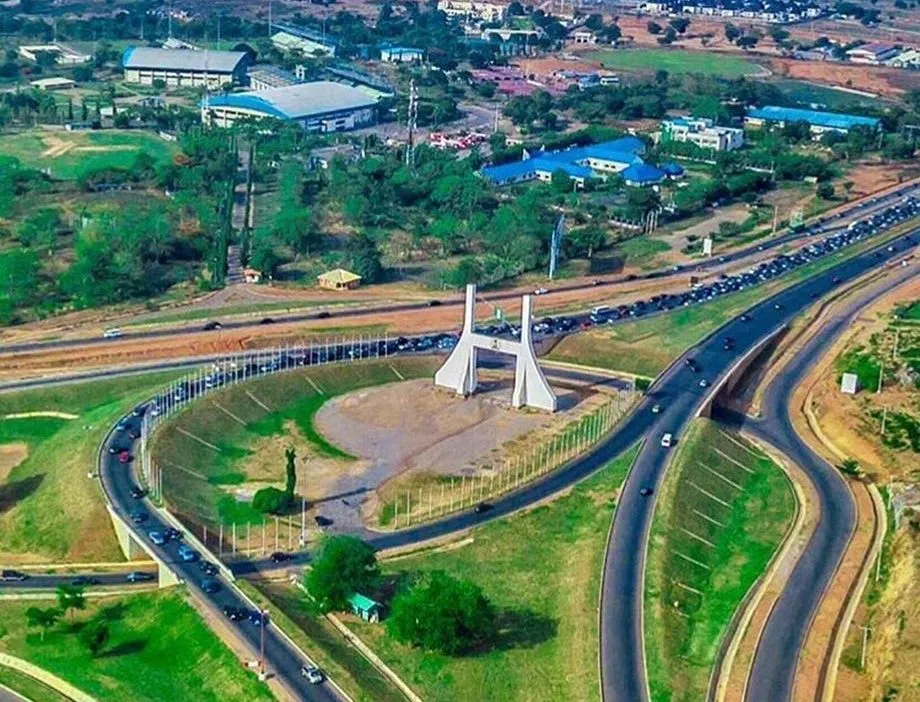
Green Spaces & Parks
Nature in the Capital
In a world where rapid urbanization often means sacrificing nature for concrete, Abuja stands apart. From its inception, the capital’s master plan integrated green spaces as essential elements, not optional additions. Parks, gardens, nature reserves, and tree-lined boulevards create a city where modern infrastructure coexists with environmental consciousness.
These green spaces serve multiple purposes: they provide recreation, improve air quality, manage stormwater, reduce urban heat, preserve biodiversity, and offer residents respite from the intensity of city life. Understanding Abuja’s green spaces reveals a city designed with both people and planet in mind.
Millennium Park: The Crown Jewel
At approximately 32 hectares, Millennium Park is Abuja’s largest and most iconic public park. Opened in 2003, the park represents a collaboration between Nigeria and Italy, funded by an Italian government grant and designed by Italian architect Marco Casamonti.
Design and Features
The Unity Fountain: The park’s centerpiece, this large fountain symbolizes Nigeria’s unity. Water jets create dramatic displays, especially during evening illumination. The fountain area is the most photographed spot in the park.
Walking and Jogging Trails: Paved pathways wind through the park, creating loops of varying distances. Early morning and evening see hundreds of residents using these trails for exercise.
Landscaped Gardens: Carefully designed gardens showcase both indigenous Nigerian plants and international species. Seasonal flowers add color throughout the year.
Open Lawns: Large grass areas provide space for picnics, informal sports, and relaxation. Families spread blankets on weekends for outdoor meals and socializing.
Tree Coverage: Mature trees provide shade and create cool microclimates within the park. The mix of native and exotic species offers botanical diversity.
Seating Areas: Benches and shaded pavilions throughout the park offer resting spots for visitors of all ages.
Community Hub
Millennium Park functions as more than a green space. It’s a social center where Abuja’s diverse population intersects:
- Weekend mornings bring fitness enthusiasts for yoga, tai chi, and group exercises
- Families arrive with children for outdoor play and fresh air
- Couples find romantic settings for walks and conversations
- Photographers capture events, portraits, and the park’s beauty
- Events and festivals use the park’s open spaces for cultural celebrations
- Office workers on lunch breaks escape their desks for brief nature connections
Jabi Lake and Waterfront
While technically a natural lake rather than a constructed park, Jabi Lake has become one of Abuja’s most important green spaces, offering waterfront recreation rare in African capitals.
The Lake Environment
Natural Ecosystem: The lake supports aquatic life, water birds, and vegetation, creating a nature preserve within the city. Fish populations attract local fishermen and birds seeking food.
Water Activities: Boat rides on the lake provide unique perspectives of Abuja’s skyline. Kayaking and other water sports are increasingly popular on weekends.
Waterfront Paths: Walking trails along portions of the lakeshore offer scenic routes for exercise and relaxation. Sunset views across the water draw photographers and couples.
Birdwatching: The lake attracts numerous bird species, making it a destination for birdwatching enthusiasts and nature photographers.
Jabi Lake Mall Integration
The construction of Jabi Lake Mall, Nigeria’s first mall built on water, created controversy but ultimately demonstrated how development and nature preservation can coexist. The mall’s design minimizes environmental impact while providing public access to the waterfront that didn’t exist before.
Usuma Dam and Recreation Area
Located on the outskirts of Abuja, the Usuma Dam serves dual purposes: water supply infrastructure and natural recreation area.
Natural Setting
Reservoir Environment: The dam created a large reservoir surrounded by relatively undeveloped land. This area maintains a wilder character than city parks, offering nature experiences closer to Nigeria’s original landscape.
Picnic Destination: Families and groups travel to Usuma Dam for weekend picnics, escaping urban density for open spaces and water views.
Photography and Events: The scenic reservoir backdrop makes Usuma Dam popular for photo shoots, pre-wedding pictures, and outdoor events.
Neighborhood Parks and Gardens
Beyond major parks, Abuja’s residential areas incorporate smaller green spaces that serve local communities.
District Parks
Maitama Gardens: Well-maintained green spaces in the elite district provide tranquil settings for residents. These gardens reflect the area’s upscale character with manicured lawns and imported plants.
Gwarinpa Green Areas: The massive housing estate includes designated parks and playgrounds serving the community. These spaces host children’s play, community gatherings, and informal sports.
Wuse Park Areas: Small parks scattered through Wuse districts offer workers and residents quick access to greenery without traveling to major parks.
Children’s Playgrounds
Many neighborhoods include dedicated children’s play areas:
- Playground equipment designed for various age groups
- Shaded seating for supervising parents
- Safety-surfaced play areas reducing injury risk
- Integration with walking paths allowing parents to exercise while children play
Tree-Lined Streets and Urban Forestry
Abuja’s commitment to green spaces extends beyond parks to the streets themselves.
Boulevard Design
Major roads feature landscaped medians and roadside trees:
Median Landscaping: Green medians separate traffic lanes on major roads. These aren’t mere grass strips but designed landscapes with trees, shrubs, and maintained greenery.
Street Trees: Planned tree planting along roads provides shade, reduces heat, and creates pleasant streetscapes. Tree species are selected for climate appropriateness and aesthetic appeal.
Roundabout Gardens: Traffic circles feature landscaped centers, some quite elaborate. These gardens serve both aesthetic and traffic-calming purposes.
Maintenance Programs: Regular watering, pruning, and care keep street landscaping healthy, though maintenance quality varies between districts.
Environmental Benefits
Urban trees and green corridors provide measurable benefits:
- Temperature reduction through shade and evapotranspiration
- Air quality improvement by filtering pollutants and producing oxygen
- Noise reduction along busy roads
- Stormwater management by absorbing rainfall
- Wildlife corridors allowing bird and insect movement through the city
Nature Reserves and Conservation Areas
Beyond recreational parks, Abuja includes areas designated for nature preservation and environmental protection.
Aso Rock Natural Preserve
The area surrounding Aso Rock remains largely undeveloped, creating an unintentional nature reserve in the city’s heart. While access is restricted due to security concerns around the Presidential Villa, the preserved landscape provides ecological benefits and maintains natural beauty.
Green Belt Areas
The original master plan included green belt zones meant to limit sprawl and preserve natural areas. While development has encroached on some designated zones, portions remain as semi-wild spaces offering habitat for indigenous plants and animals.
Gardens and Botanical Spaces
The Arts and Crafts Village Gardens
The Arts and Crafts Village includes landscaped areas integrating traditional Nigerian plants and artistic elements. Gardens showcase indigenous species used historically for medicine, food, and cultural practices.
Hotel and Resort Gardens
Major hotels maintain extensive gardens:
Transcorp Hilton Gardens: The hotel’s grounds feature manicured lawns, tropical plants, and poolside landscaping creating a resort atmosphere in the city center.
Nicon Luxury Grounds: Extensive gardens with walking paths, water features, and diverse plantings offer guests peaceful outdoor spaces.
While primarily serving hotel guests, these gardens contribute to overall urban greenery and demonstrate high-quality landscape design.
Challenges and Conservation Efforts
Despite planning, Abuja’s green spaces face ongoing challenges:
Development Pressure
Land Value: As Abuja grows, pressure increases to convert green spaces to buildings. Some areas originally designated as parks have been reassigned for development.
Informal Settlements: Population growth leads some to settle in parks or green belt areas, particularly on the city’s outskirts.
Commercial Interests: Businesses seek to develop on green space, arguing economic benefits outweigh environmental concerns.
Government Resolve: Protecting green spaces requires consistent political will to resist development pressures and maintain original planning principles.
Maintenance Issues
Budget Constraints: Maintaining parks, watering plants, and managing landscapes requires ongoing funding. Budget limitations sometimes result in neglected areas.
Dry Season Challenges: During the long dry season, keeping vegetation alive requires extensive watering. Some areas turn brown without adequate irrigation.
Vandalism and Misuse: Some parks suffer from littering, vandalism, and inappropriate use, requiring security and education efforts.
Conservation Initiatives
Various efforts work to preserve and expand green spaces:
- Tree planting campaigns involving schools, NGOs, and government agencies
- Park adoption programs where organizations sponsor park maintenance
- Environmental education teaching Abuja residents about green space value
- Advocacy groups monitoring development and opposing inappropriate projects
- Integration of green building principles in new construction
Future Green Space Development
Plans exist for expanding Abuja’s green infrastructure:
New Parks: Proposals for additional major parks in developing areas would serve growing populations currently underserved by green spaces.
Green Corridors: Connecting existing parks through landscaped pathways would create continuous green networks for walking, cycling, and wildlife movement.
Rooftop Gardens: Encouraging building owners to create rooftop gardens would increase green space without consuming ground area.
Community Gardens: Programs enabling neighborhoods to create gardens for recreation and food production could expand green access while building community.
The Green Vision
Abuja’s green spaces represent more than aesthetic choices. They reflect values written into the city’s DNA from inception: that quality of life matters, that nature and development need not conflict, that cities function best when environmental health is prioritized alongside economic growth.
Walk through Millennium Park on a Sunday afternoon. Watch children play while parents relax under trees. See joggers circling paths while birds call from branches. Notice the temperature drop as you move from sun-baked streets into shaded gardens. This is planning made tangible, foresight rewarded.
The challenge ahead is maintaining this green inheritance while accommodating millions more residents. Can Abuja grow without sacrificing the parks and trees that make it livable? Can development and conservation coexist?
The answer depends on choices made today: to resist pressure converting parks to buildings, to fund maintenance adequately, to enforce planning principles when politically difficult, to remember that the green spaces seem abundant now because planners decades ago chose wisely.
Abuja’s trees, parks, and gardens are investments made by the past for the future. Protecting them isn’t nostalgia or luxury. It’s ensuring that Nigeria’s capital remains a city where people can breathe, nature can thrive, and urban life maintains connection to the natural world.
