
A City of Commerce
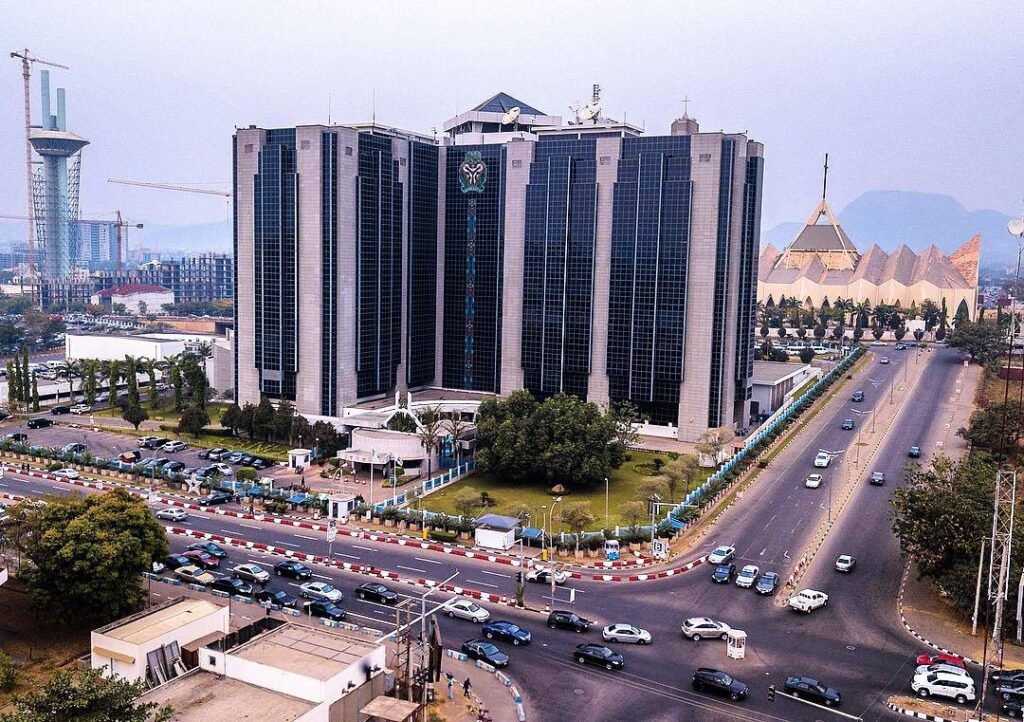
A City of Commerce
From Planned Capital to Economic Powerhouse
Abuja was conceived primarily as a seat of government, not a commercial hub. Yet over time, the concentration of political power, population growth, and strategic location transformed the city into one of Nigeria’s most important economic centers.
Today, Abuja functions as a city where policy meets capital, where public-sector influence shapes private enterprise, and where commerce thrives quietly but steadily alongside governance.
The Government–Business Relationship
Commerce in Abuja is deeply intertwined with government activity. The presence of ministries, departments, agencies, embassies, and international organizations creates continuous demand for goods, services, and professional expertise.
Policy Proximity: Businesses operating in Abuja benefit from closeness to regulators, lawmakers, and decision-makers.
Contract Economy: Government contracts drive activity in construction, consulting, ICT, logistics, and services.
Diplomatic Spending: Embassies and international missions support hospitality, security, real estate, and professional services.
Steady Demand: Unlike volatile port or oil cities, Abuja’s economy is anchored by public expenditure.
Key Commercial Districts
Abuja’s commercial activity is distributed across several districts, each serving different segments of the economy.
Wuse and Wuse 2
Wuse, particularly Wuse 2, functions as Abuja’s commercial nerve center. It hosts banks, corporate offices, restaurants, entertainment venues, and service providers.
- Financial institutions and corporate headquarters
- Restaurants, cafés, nightlife, and retail outlets
- Professional services and consultancies
Central Business District
The Central Business District (CBD) was designed to concentrate high-value commercial and corporate activity.
Although development has progressed slowly, the CBD hosts major office complexes, government-adjacent businesses, and multinational operations that value prestige and proximity to power.
Garki and Utako
Garki and Utako support mid-scale commerce and logistics. These districts host government offices, hotels, transport hubs, and wholesale markets that serve the city’s daily needs.
Markets and Informal Commerce
Beyond formal offices and malls, Abuja’s economy depends heavily on informal and semi-formal commerce.
Wuse Market: One of the largest traditional markets in the FCT, supplying food, clothing, and household goods.
Garki Markets: Key retail centers serving civil servants and surrounding neighborhoods.
Street Commerce: Small traders, food vendors, and service providers operate throughout the city.
Satellite Town Markets: Nyanya, Kubwa, and Lugbe support dense local economies.
These markets provide employment for thousands and keep the cost of living manageable for lower- and middle-income residents.
Banking, Finance, and Professional Services
All major Nigerian banks maintain strong operations in Abuja, serving government agencies, businesses, and individuals.
The city has also emerged as a hub for legal services, policy consulting, public affairs, and regulatory advisory work—industries that thrive on proximity to federal institutions.
- Commercial and development banking
- Legal and compliance services
- Public policy and advocacy consulting
- Audit, tax, and corporate advisory
Real Estate as an Economic Driver
Real estate is one of Abuja’s strongest commercial engines. Demand for residential, commercial, and diplomatic properties has driven continuous construction and investment.
Developers, estate managers, architects, surveyors, and construction firms form a powerful ecosystem that supports employment and capital flow.
Hospitality, Retail, and Lifestyle Economy
As population and disposable income grow, Abuja’s lifestyle economy has expanded rapidly.
Hotels, restaurants, shopping malls, gyms, event centers, and entertainment venues now form a visible layer of the city’s commercial identity.
- International and local hotel chains
- Shopping malls such as Jabi Lake Mall and Ceddi Plaza
- Restaurants catering to diverse tastes and cultures
- Event venues supporting conferences and weddings
Entrepreneurship and Small Businesses
While large institutions dominate the skyline, small and medium enterprises form the backbone of Abuja’s commercial life.
From catering and fashion to logistics and digital services, entrepreneurs adapt quickly to the city’s steady demand and professional clientele.
Side businesses and informal ventures often coexist with salaried employment, reflecting Nigeria’s broader entrepreneurial culture.
Challenges to Commercial Growth
Despite its advantages, Abuja’s commercial environment faces challenges.
High Operating Costs: Rent and utilities are expensive, especially in central districts.
Regulatory Complexity: Multiple agencies and approval processes can slow business operations.
Infrastructure Gaps: Power supply and transport affect productivity.
Uneven Development: Economic activity remains concentrated in a few districts.
A Quiet but Powerful Economy
Abuja does not trade with the noise of Lagos or the industrial intensity of Port Harcourt. Its commerce is quieter, more procedural, and deeply connected to governance.
Yet beneath that calm surface lies a resilient and expanding economy—one driven by policy, population, professionalism, and long-term national relevance.
As Nigeria evolves, Abuja’s commercial role will continue to expand—not as a replacement for other economic centers, but as the steady engine that powers the nation’s administrative and institutional life.

