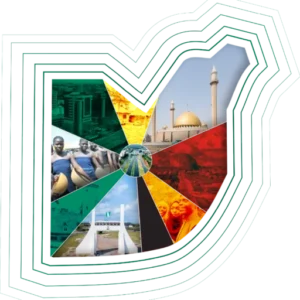
Centre of Unity
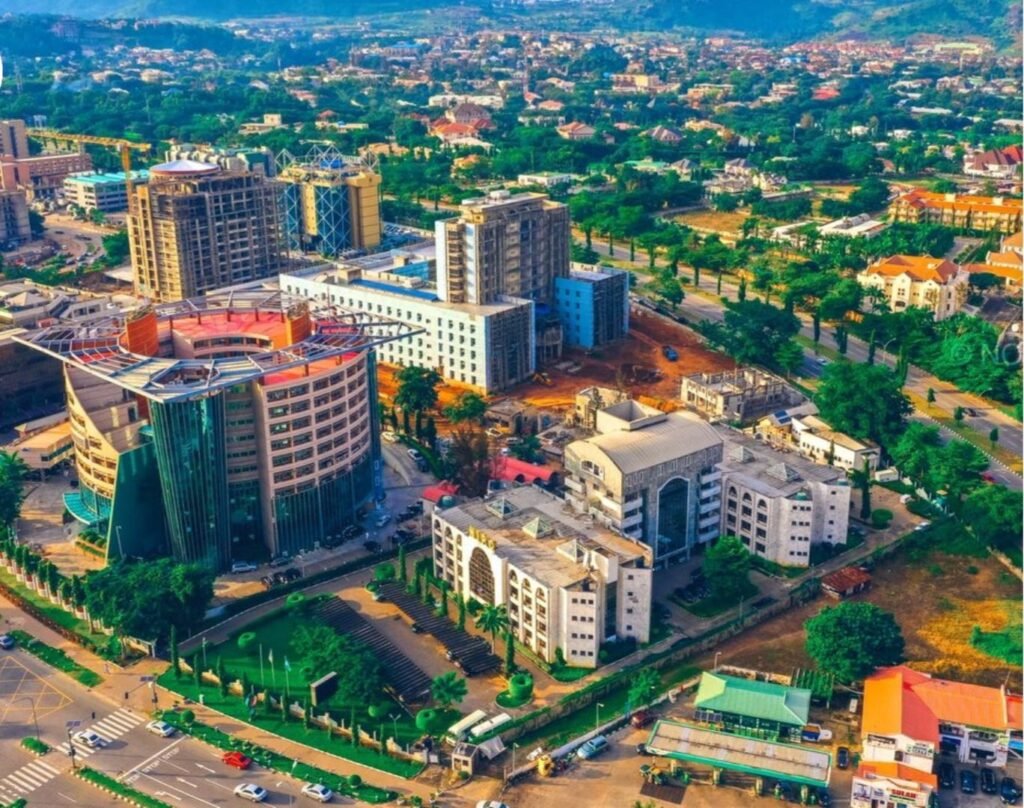
Centre of Unity
Abuja as Nigeria’s Common Ground
Abuja is often described as Nigeria’s Centre of Unity—a city deliberately created to belong to every Nigerian, regardless of ethnicity, religion, language, or region. This idea is not symbolic alone; it is foundational to why Abuja exists and how it functions as the nation’s capital.
Unlike older cities shaped by dominant ethnic or regional identities, Abuja was designed as neutral ground. It represents a shared national space where power, opportunity, and identity converge without historical bias.

The Philosophy Behind the Capital
The decision to move Nigeria’s capital from Lagos to Abuja in the 1970s was rooted in the need for national balance. Lagos, while economically vibrant, had become congested and regionally identified. Abuja offered a fresh start—geographically central, ethnically neutral, and purpose-built.
This philosophy shaped not only Abuja’s physical design, but also its social and political role. The city was meant to be a place where Nigerians could encounter one another as citizens first, before tribe or region.
Neutrality in Design and Governance
Abuja’s role as a Centre of Unity is reinforced through its governance structure, urban planning, and institutional presence.
Federal Ownership: Abuja is not governed as a state but administered directly by the Federal Government, ensuring national ownership.
Balanced Institutions: The Three Arms of Government are physically positioned to reflect equality and separation of powers.
Inclusive Representation: All states and regions are represented through ministries, agencies, and the National Assembly.
Symbolic Spaces: National monuments and civic spaces reinforce shared identity.
Symbols of National Unity
Abuja is home to several landmarks that embody Nigeria’s collective identity and shared values.
National Mosque: One of the largest mosques in Africa, symbolizing the importance of faith and coexistence.
National Christian Centre: Represents religious balance and inclusion within the capital.
Eagle Square: The primary venue for national celebrations, inaugurations, and public ceremonies.
Everyday Unity in a Diverse City
Beyond institutions and monuments, unity in Abuja is lived daily. In offices, markets, schools, and neighborhoods, Nigerians from different backgrounds work and live side by side.
It is common to hear multiple languages spoken in the same space, to see diverse religious practices coexisting, and to find cultural traditions blending naturally in social life.
National Events and Collective Identity
Abuja plays host to some of Nigeria’s most important national moments—presidential inaugurations, Independence Day celebrations, policy announcements, and international summits.
During such events, the city transforms into a shared stage for national expression, reinforcing its identity as a Centre of Unity.
Challenges to Unity
While Abuja symbolizes unity, it is not immune to national challenges.
Economic Inequality: Differences in wealth and access to housing can strain social cohesion.
Rapid Growth: Population pressure tests infrastructure and public services.
Yet, Abuja continues to function as a meeting point—where dialogue, governance, and coexistence remain possible despite diversity.
A Living Symbol
Abuja’s identity as a Centre of Unity is not static. It evolves with each generation that comes to live, work, and contribute to the city.
As Nigeria continues its journey as a nation, Abuja remains its physical and symbolic anchor—a place where the idea of unity is continuously tested, renewed, and reimagined.

