
Hotels & Accommodation
Hotels & Accommodation
Where the Capital Stays
Abuja’s accommodation landscape reflects the city itself—planned, diverse, and shaped by its role as Nigeria’s political and diplomatic capital. From luxury international hotels hosting heads of state to modest guesthouses serving daily travelers, the city offers a wide range of options tailored to different needs, budgets, and lifestyles.
Unlike leisure-first cities, Abuja’s hotel and accommodation sector developed primarily to serve government activity, diplomacy, business travel, conferences, and long-term professional stays. Over time, it has expanded to support tourism, events, and a growing lifestyle economy.
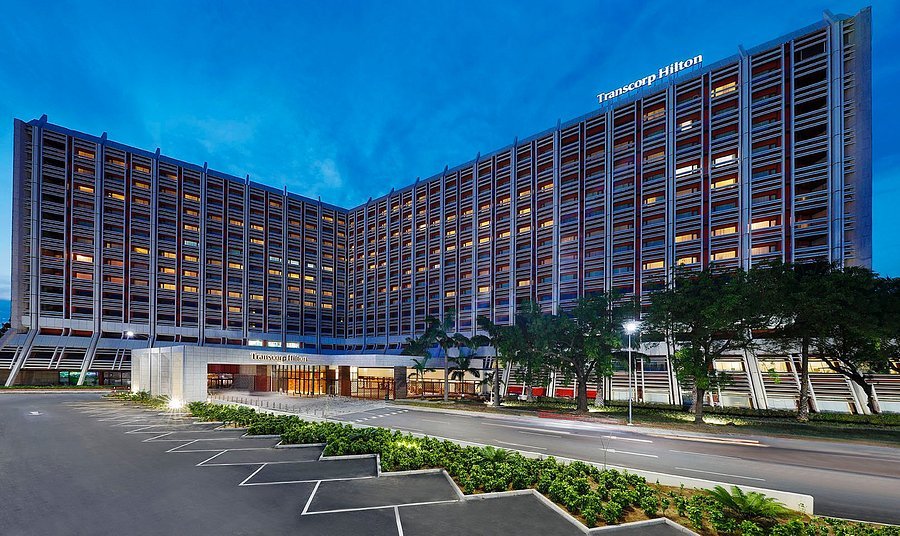
Luxury and International Hotels
Abuja hosts several internationally recognized luxury hotels, many of which serve as informal extensions of the city’s diplomatic and political infrastructure.
These hotels are concentrated in districts such as Maitama, Central Area, and Asokoro, offering proximity to government institutions, embassies, and business districts.
Target Guests: Diplomats, government officials, international executives, conference delegates.
Facilities: Conference halls, executive lounges, high-security standards, fine dining.
Function: Hosting state visits, international summits, and high-level meetings.
Reputation: These hotels often define Abuja’s international hospitality image.
Business and Mid-Range Hotels
Mid-range hotels form the backbone of Abuja’s accommodation sector. These establishments cater to civil servants, consultants, contractors, domestic business travelers, and short-term visitors.
They are widely distributed across districts such as Wuse, Garki, Utako, Jabi, and Gwarinpa, offering convenience and functional comfort.
- Affordable rooms with business-friendly amenities
- Proximity to offices, ministries, and transport routes
- Popular with conference attendees and project teams
Many of these hotels double as event venues, hosting workshops, trainings, and corporate retreats.
Boutique Hotels and Serviced Apartments
In recent years, Abuja has seen growth in boutique hotels and serviced apartments, responding to demand for privacy, longer stays, and residential-style comfort.
These accommodations are especially popular with expatriates, consultants, NGO staff, and visitors staying weeks or months at a time.
Serviced Apartments: Fully furnished units with kitchens and housekeeping services.
Boutique Hotels: Smaller properties offering personalized service and distinctive design.
They are commonly found in Maitama, Asokoro, Jabi, and emerging residential districts.
Guesthouses and Budget Accommodation
At the more affordable end of the spectrum, guesthouses and budget hotels serve students, traders, domestic travelers, and visitors on short stays.
These accommodations are prevalent in satellite towns and high-density districts such as Kubwa, Nyanya, Lugbe, Gwagwalada, and parts of Garki.
- Basic rooms and shared facilities
- Short-term stays and flexible pricing
- Strong reliance on local clientele
While amenities may be limited, these establishments play a critical role in supporting Abuja’s workforce and informal economy.
Short-Let Apartments and Modern Stays
The rise of short-let apartments and home-style accommodations has reshaped Abuja’s lodging market.
Professionally managed short-lets now compete directly with hotels, offering flexibility, privacy, and cost advantages for families, groups, and long-term visitors.
These properties are common in Wuse 2, Jabi, Gwarinpa, and new residential estates.
Accommodation and Urban Growth
The accommodation sector is closely tied to Abuja’s real estate and development patterns.
As the city expands outward, hotels and serviced apartments increasingly appear in new districts and along major transport corridors, especially near the airport road and satellite towns.
This decentralization reflects broader urban growth and changing travel patterns.
Security, Standards, and Regulation
Given Abuja’s political importance, security remains a major consideration for accommodation providers.
Hotels often work closely with security agencies, particularly those serving diplomatic and government clientele.
Regulation and quality standards vary across the sector, with internationally branded hotels maintaining stricter compliance than smaller establishments.
Challenges Facing the Sector
Despite growth, Abuja’s accommodation industry faces ongoing challenges:
High Operating Costs: Power, water, and staffing expenses affect pricing.
Seasonal Demand: Occupancy fluctuates with government calendars and events.
Infrastructure Gaps: Access roads and utilities vary by district.
Market Competition: Growth of short-lets pressures traditional hotels.
Choosing Where to Stay in Abuja
Where visitors choose to stay often depends on purpose rather than luxury alone.
- Government and diplomatic visitors favor central districts
- Business travelers prioritize access and efficiency
- Long-term visitors prefer serviced apartments
- Budget travelers gravitate toward satellite towns
A City That Hosts the Nation
Abuja’s hotels and accommodations do more than provide beds—they support governance, diplomacy, commerce, and everyday movement through the capital.
From international summits to routine civil service postings, the city’s accommodation sector quietly enables Nigeria’s national life.
As Abuja continues to grow, its places of stay will evolve alongside it—mirroring the city’s balance of power, professionalism, and possibility.

