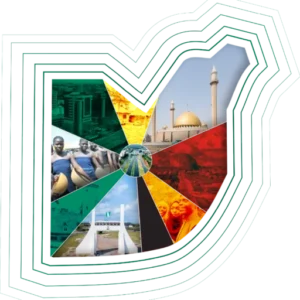
Cultural Heritage
Cultural Heritage of Abuja
Where Tradition Meets a New Capital
Abuja may be Nigeria’s youngest major city, but its cultural heritage runs deep. Beneath the modern roads, government buildings, and planned districts lies a landscape shaped by centuries of tradition, ritual, craftsmanship, and communal life.
The cultural heritage of Abuja is not defined by a single ethnic identity. Instead, it is a layered story—rooted in indigenous traditions and expanded by the many cultures that have migrated into the capital.
Indigenous Cultural Foundations
The cultural identity of Abuja begins with its indigenous peoples, whose customs, beliefs, and ways of life existed long before the city was conceived.
Gbagyi Cultural Heritage
The Gbagyi people, as the original custodians of the land, form the cultural backbone of Abuja’s heritage.
Spiritual Connection to the Land: Gbagyi culture places strong emphasis on harmony with nature. Hills, rocks, rivers, and forests were traditionally seen as spiritually significant spaces.
Architecture: Traditional Gbagyi homes were built using mud and thatch, arranged around family compounds that emphasized communal living and shared responsibility.
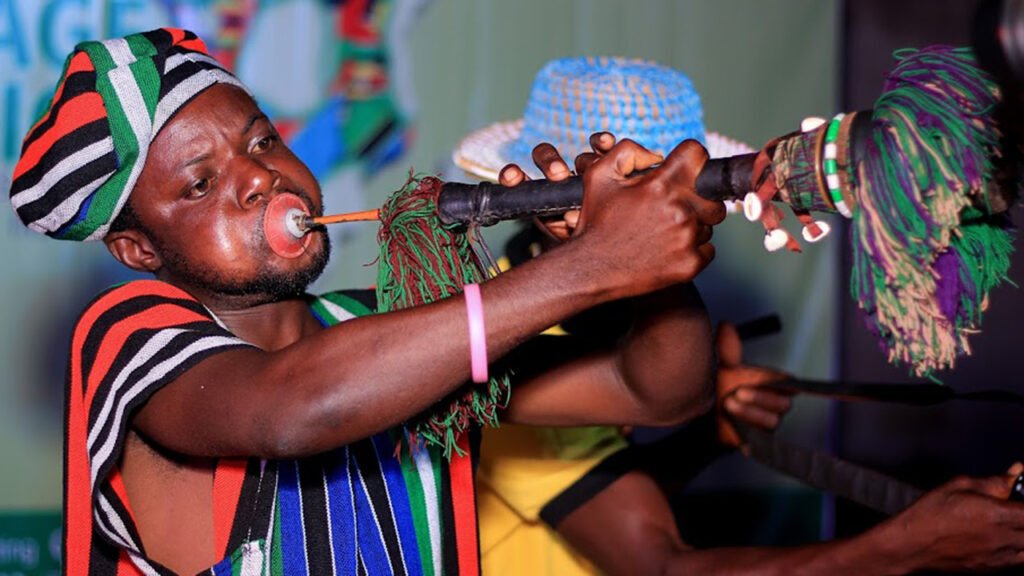
Music and Dance: Drumming, chanting, and dance play central roles in ceremonies, festivals, and rites of passage. Performances often tell stories of ancestry, farming cycles, and communal values.
Craftsmanship: Pottery, weaving, and farming tools were traditionally produced locally, passing skills from one generation to the next.
Other Indigenous Traditions
Beyond the Gbagyi, other indigenous groups contributed cultural practices that still echo today.
Gade and Koro: Known for their farming traditions, seasonal festivals, and strong kinship systems.
Gwandara: Closely related to the Gbagyi, sharing linguistic roots and ceremonial practices.
Bassa and Nupe: Contributed river-based livelihoods, fishing traditions, and trading customs in areas near water bodies.
Sacred Sites and Natural Heritage
Abuja’s cultural heritage is inseparable from its geography.
Zuma Rock: More than a tourist attraction, Zuma Rock has long been regarded as a spiritual symbol by indigenous communities. It featured in folklore, protection myths, and ancestral storytelling.
Aso Rock: Before becoming Nigeria’s seat of power, Aso Rock held cultural significance for local communities as a natural landmark.
Hills and Valleys: Many hills across the FCT served as lookout points, ritual spaces, or settlement markers.
Rivers and Streams: Traditionally used for farming, fishing, and spiritual cleansing rites.
Cultural Fusion in a Planned City
When Abuja became the capital, culture did not disappear—it multiplied.
As Nigerians from all regions migrated into the city, they brought languages, festivals, clothing, music, and religious practices, turning Abuja into a living cultural crossroads.
Festivals and Celebrations
Traditional Festivals: Indigenous festivals celebrating harvests, seasons, and ancestral remembrance continue in rural and peri-urban communities.
Religious Festivals: Eid, Christmas, Easter, and other celebrations are widely observed, often spilling into public spaces.
National Events: Independence Day, cultural exhibitions, and state-sponsored events showcase Nigeria’s diversity.
Language as Cultural Heritage
Language remains one of Abuja’s most visible cultural markers.
Indigenous Languages: Gbagyi, Gade, and other local languages are still spoken in indigenous communities.
Hausa: Widely used as a common language in markets, transport, and informal communication.
English: The official language and primary medium in government, education, and business.
Multilingual Reality: Many residents switch effortlessly between two or more languages daily.
Dress, Identity, and Expression
Abuja’s cultural heritage is visible in how people dress and present themselves.
Traditional Attire: Native fabrics, caps, wrappers, and embroidery appear during ceremonies, festivals, and religious gatherings.
Modern Influence: Western fashion blends seamlessly with traditional styles, especially among younger residents.
Ceremonial Dress: Weddings, naming ceremonies, and funerals remain key moments for cultural display.
Identity Through Style: Clothing often signals ethnic origin, religious affiliation, or social status.
Preserving Heritage in a Rapidly Growing City
Urban expansion has placed pressure on Abuja’s cultural heritage.
Displacement: Indigenous communities have lost ancestral lands to development.
Modernization: Younger generations sometimes drift away from traditional practices.
Cultural Documentation: Efforts by historians, museums, and cultural organizations aim to preserve traditions.
Community Resilience: Many indigenous groups continue to pass down customs through storytelling and ceremonies.
A Living Heritage
Abuja’s cultural heritage is not confined to museums or festivals. It lives in everyday interactions—shared meals, mixed languages, blended traditions, and collective aspirations.
This heritage reflects Nigeria itself: complex, diverse, resilient, and constantly in motion.
In Abuja, culture is not something you visit. It is something you live.

