The People of Abuja
The People of Abuja
A Capital for All Nigerians
Abuja’s greatest strength lies not in its buildings or boulevards, but in its people. This city, designed as a neutral ground where no single ethnic group could claim dominance, has become exactly what its founders envisioned: a true Nigerian melting pot where people from all 36 states and the FCT live, work, and build together.
Understanding Abuja means understanding the rich tapestry of communities, cultures, and stories that make up Nigeria’s capital. From indigenous groups who have called this land home for centuries to the millions who have migrated here in search of opportunity, every person contributes to Abuja’s unique character.
The Original Inhabitants: Indigenous Communities
Long before Abuja became a name on any map, before government planners drew lines on paper, this land belonged to indigenous communities who lived in harmony with the rocky terrain and savannah grasslands.
The Gbagyi (Gwari) People
The Gbagyi, also spelled Gwari, are the primary indigenous inhabitants of what is now the Federal Capital Territory. For centuries, they have lived in scattered settlements across the region, farming, fishing, and maintaining their distinct cultural identity.
Language: The Gbagyi language, part of the Nupoid language family, was once the dominant language of the region. While English and Hausa now dominate in modern Abuja, Gbagyi is still spoken in indigenous communities.
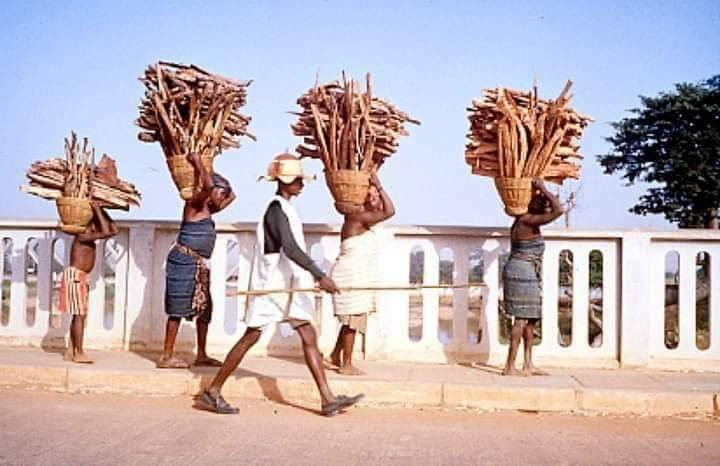
Traditional Life: Historically, the Gbagyi were primarily farmers, cultivating yams, millet, and other crops suited to the savannah climate. They also practiced fishing in the rivers and streams that crossed their land. Their settlements were typically small villages built around extended family units.
Cultural Practices: The Gbagyi have rich traditions including festivals, music, and dance. Their masquerades and cultural ceremonies remain important, though many have adapted to urban life while maintaining connections to their heritage.
Today: Many Gbagyi still live in the FCT, though their traditional lands have been transformed by urbanization. Some work in government, business, or education, while others maintain farming communities on the outskirts of the expanding city. They remain custodians of the land’s original history and culture.
Other Indigenous Groups
While the Gbagyi are the largest indigenous group, several other communities have ancient roots in the FCT:
Gwandara: An ethnic group closely related to the Gbagyi, the Gwandara have settlements particularly in the northern parts of the FCT. They share similar cultural practices and languages with the Gbagyi.
Gade: Found in parts of the FCT, particularly around areas that border present-day Nasarawa State. The Gade people have their own distinct language and traditions.
Bassa: Some Bassa communities inhabit portions of the FCT, particularly in areas closer to Kogi State boundaries.
Koro: A smaller group with presence in parts of the territory, the Koro maintain their linguistic and cultural identity.
Nupe and Dibo: These groups have historical presence in portions of the FCT, adding to the indigenous diversity.
These indigenous communities, while smaller in number compared to the waves of migrants who arrived after 1976, remain vital to understanding Abuja’s complete story. Their ancestral claims, cultural heritage, and historical memory provide continuity in a rapidly changing landscape.
The Great Migration: Building a New Capital
When construction began in the early 1980s, Abuja became a magnet for Nigerians from every corner of the country. The promise of jobs, opportunity, and a fresh start drew people in unprecedented numbers.
The First Wave (1980s)
Construction Workers: Tens of thousands of laborers arrived to build the city. From northern states came experienced construction workers. From the southeast, skilled craftsmen. From the southwest, trained technicians.
Civil Servants: As government ministries prepared to relocate, civil servants received transfers to Abuja. Many came reluctantly, leaving established lives in Lagos.
Entrepreneurs: Wherever people gather, opportunity follows. Small business owners, traders, restaurateurs, and service providers arrived to cater to the growing population.
The Second Wave (1990s-2000s)
After the official designation as capital in 1991, migration intensified:
Government Officials: Senior officials, politicians, and bureaucrats made Abuja their home. High-ranking civil servants built houses in elite districts like Maitama and Asokoro.
Business Community: As government came, business followed. Banks opened branches, hotels were built, telecommunications companies set up operations. Executives and managers relocated with their families.
Support Services: Teachers, doctors, nurses, drivers, cooks, security guards, and countless others arrived to support the growing city’s needs.
Job Seekers: News spread that Abuja offered opportunities. Young graduates from across Nigeria arrived seeking employment in the expanding government and private sectors.
The Third Wave (2010s-Present)
Abuja’s explosive growth continues:
Tech and Innovation: A new generation of young Nigerians, drawn by the capital’s modern infrastructure and growing tech scene, have made Abuja home. Tech startups, digital companies, and innovation hubs have emerged.
International Community: Diplomats, expatriates, and international workers attached to embassies, UN agencies, and multinational corporations have created a cosmopolitan layer to Abuja’s population.
Students: Universities like the University of Abuja, Baze University, and Nile University attract students from across Nigeria and beyond.
Satellite Town Residents: Unable to afford central Abuja, many settle in satellite towns like Nyanya, Kuje, Lugbe, and Gwagwalada, commuting daily to work in the city center.
Population Growth Timeline:
– 1991: Approximately 300,000 (at designation)
– 2006: 776,298 (official census)
– 2015: Estimated 2 million+
– 2025: Over 3 million (metro area)
Growth Rate: 35% annually (as of recent estimates)
A True Nigerian Mix
Today’s Abuja reflects Nigeria’s incredible ethnic and cultural diversity. Walk through any neighborhood, market, or office building and you’ll encounter:
From the North: Hausa, Fulani, Kanuri, Tiv, and dozens of other northern groups have significant presence. Hausa remains widely spoken as a lingua franca alongside English.
From the South: Yoruba, Igbo, Ijaw, Efik, Ibibio, and other southern groups have built thriving communities. Churches of various denominations serve these populations.
From the Middle Belt: Being carved partially from Niger State and bordering Nasarawa and Kogi, Middle Belt groups like Nupe, Igala, Idoma, and others have natural connections to Abuja.
From Every State: Literally every Nigerian state has representation in Abuja. This diversity was intentional, a key goal of choosing a neutral capital.
Class and Community in Abuja
Abuja’s population stratifies across economic and social lines, creating distinct communities:
The Elite Districts
Maitama and Asokoro: Home to ministers, senators, wealthy businesspeople, and top civil servants. These neighborhoods feature large houses, embassies, and quiet, tree-lined streets.
Wuse 2 and Garki: Upper-middle-class areas popular with senior professionals, established business owners, and expatriates. Modern apartments and proximity to commercial centers make these desirable.
Guzape and Katampe Extension: Newer elite areas attracting wealthy Nigerians building luxurious homes in gated communities.
The Middle Class
Gwarinpa: Africa’s largest single housing estate, home to over 1 million people. Gwarinpa represents middle-class Abuja: civil servants, teachers, mid-level managers, and small business owners.
Jabi, Utako, and Wuse: Mixed residential-commercial areas where middle-income families rent apartments or own homes. Access to schools, markets, and transportation makes these practical choices.
Kubwa: A massive settlement northwest of central Abuja, Kubwa houses hundreds of thousands in a mix of planned estates and organic developments.
Working-Class Communities
Nyanya, Karu, and Mararaba: Located on Abuja’s eastern outskirts (technically in Nasarawa State but functionally part of Abuja’s metro area), these dense settlements house workers who cannot afford central Abuja rents.
Lugbe and Kuje: Southern satellite towns growing rapidly as affordable alternatives. Many government workers on modest salaries settle here.
Mpape and Dei-Dei: Communities that blend indigenous settlements with new arrivals, these areas have more informal housing and lower costs.
The International Community
Abuja’s role as capital brings an international dimension:
Diplomatic Corps: Over 100 embassies and high commissions mean thousands of diplomats, their families, and staff call Abuja home. This creates demand for international schools, specialty foods, and cultural events.
UN and International Organizations: WHO, UNICEF, UNDP, and other UN agencies maintain offices in Abuja, bringing international professionals.
Expatriate Workers: Multinational companies, NGOs, and development organizations employ expatriates from around the world. Lebanese, Chinese, Indian, European, and American communities have formed, each adding to Abuja’s cosmopolitan character.
International Schools: Schools like American International School, British International School, and others serve diplomatic and expatriate families, creating multicultural educational environments.
Youth and the New Generation
Perhaps Abuja’s most defining characteristic is its youth. Nigeria has one of the world’s youngest populations, and Abuja reflects this:
Student Population: Thousands of university students study in Abuja’s growing higher education sector.
Young Professionals: Fresh graduates, tech workers, entrepreneurs, and young civil servants in their 20s and 30s drive much of Abuja’s energy and innovation.
Creative Class: Musicians, artists, content creators, and media professionals have made Abuja a hub for Nigerian creativity, second only to Lagos.
Tech Ecosystem: Coding bootcamps, startup incubators, and tech hubs attract young Nigerians interested in technology and innovation.
This youth presence gives Abuja a forward-looking energy. Unlike older Nigerian cities with deep historical roots, Abuja belongs to the generation building Nigeria’s future.
Daily Life: How Abuja’s People Live
Despite diverse backgrounds, Abuja’s residents share common experiences:
The Commute: Traffic jams are a daily reality. Whether traveling from Nyanya to Central Area or Kubwa to Wuse, Abuja’s residents spend significant time in cars and buses.
Market Days: From Wuse Market’s chaos to Jabi Lake Mall’s modernity, shopping brings people together across class and ethnic lines.
Religious Life: Fridays see Muslims heading to mosques for Jummah prayers. Sundays fill churches of all denominations. Abuja’s religious diversity is visible and generally peaceful.
Hustle Culture: Like much of Nigeria, Abuja’s economy runs on entrepreneurship. Side hustles, small businesses, and informal sector work supplement formal employment for many.
Weekend Life: Relaxation takes many forms: family time at parks, dining out in Wuse 2, clubbing in Maitama, or simply resting after a long work week.
Challenges and Unity
Abuja’s diversity brings both strength and challenges:
Housing Crisis: Rapid population growth far exceeds housing supply, driving up rents and forcing many to settle far from work.
Infrastructure Strain: Roads, water, electricity, and services struggle to keep pace with millions of residents.
Economic Inequality: Visible gaps between elite districts and working-class areas create social tensions.
Ethnic Balance: While generally peaceful, underlying ethnic and religious differences occasionally surface, requiring careful management.
Yet despite challenges, Abuja largely achieves its founders’ vision. Here, a Hausa woman from Kano works alongside an Igbo man from Enugu and a Yoruba woman from Oyo. They share frustrations about traffic, excitement about opportunities, and pride in being part of Nigeria’s capital.
The Spirit of Abuja
If Lagos is hustle, if Kano is history, if Port Harcourt is oil, then Abuja is aspiration. The people who come here share a belief that in this planned city, in this neutral ground, they can build something better.
Whether a third-generation Gbagyi maintaining ancestral traditions, a government worker transferred from Lagos, a young tech entrepreneur from Enugu, or a diplomat from France, they all contribute to Abuja’s story.
The city’s true landmark isn’t Aso Rock or the National Mosque. It’s the people themselves, diverse yet united, who prove daily that Nigeria’s motto rings true: “Unity and Faith, Peace and Progress.”
