
City Planning and Design
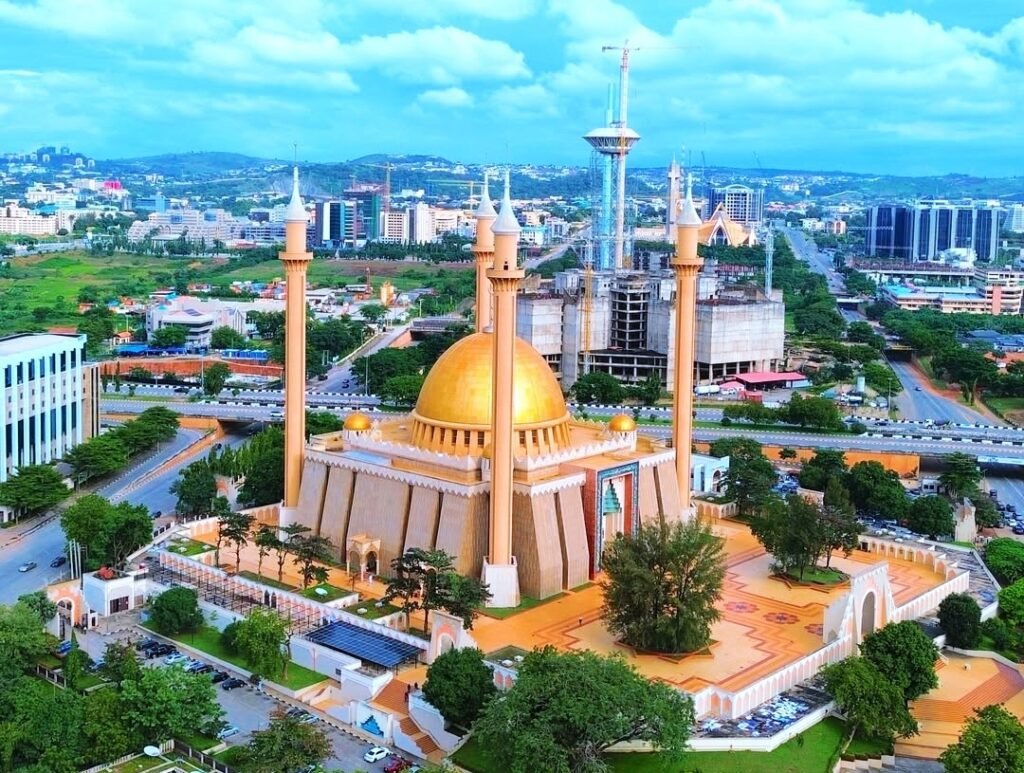
City Planning and Design
A Capital Planned From the Ground Up
Unlike most Nigerian cities that grew organically over centuries, Abuja was deliberately planned before it was built. Every road, district, and green space was carefully mapped to reflect order, balance, and national unity.
Abuja is one of the few cities in Africa designed entirely as a modern capital—purpose-built to serve governance, commerce, residence, and culture in a structured and sustainable way.
The Abuja Master Plan
The foundation of Abuja’s design lies in the Abuja Master Plan, developed in the late 1970s by the International Planning Associates (IPA), a consortium of American urban planners.
Vision: To create a functional, inclusive capital free from congestion, ethnic dominance, and uncontrolled growth.
Neutral Capital: Abuja was planned to avoid the chaos of Lagos and represent all Nigerians equally.
Long-Term Growth: The city was designed to expand in phases over several decades.
Order and Efficiency: Clear zoning ensured separation of residential, commercial, and government activities.
The District-Based Layout
One of Abuja’s most defining features is its district system. Each district serves a specific function within the city.
The Central Area
Government Core: Houses key national institutions including the National Assembly, Supreme Court, and Federal Secretariat.
Symbolic Design: Positioned near Aso Rock, reinforcing authority and national identity.
Residential Districts
Maitama & Asokoro: Low-density, high-income districts with embassies and official residences.
Wuse & Garki: Mixed-use districts combining residential, commercial, and administrative functions.
Gwarinpa & Kubwa: High-density residential areas designed to house middle-income residents.
Commercial and Business Zones
Abuja’s economy is supported by strategically placed business districts.
Wuse 2: The city’s commercial heartbeat, home to offices, banks, restaurants, and nightlife.
Central Business District: Designed to concentrate corporate offices and reduce urban sprawl.
Road Networks and Transportation Design
Abuja’s road system reflects modern urban planning principles.
Wide Arterial Roads: Major expressways connect districts efficiently.
Ring Roads: Circular road networks reduce congestion in the city center.
Grade Separation: Flyovers and interchanges minimize traffic conflicts.
Public Transport Planning: Provisions were made for rail and bus systems.
Rail and Transit Vision
Transportation planning extended beyond roads.
Abuja Light Rail: Africa’s first intra-city rail system connects the city center to the airport.
Future Expansion: Additional rail lines were included in the master plan.
Green Spaces and Open Areas
Nature was deliberately woven into Abuja’s design.

